
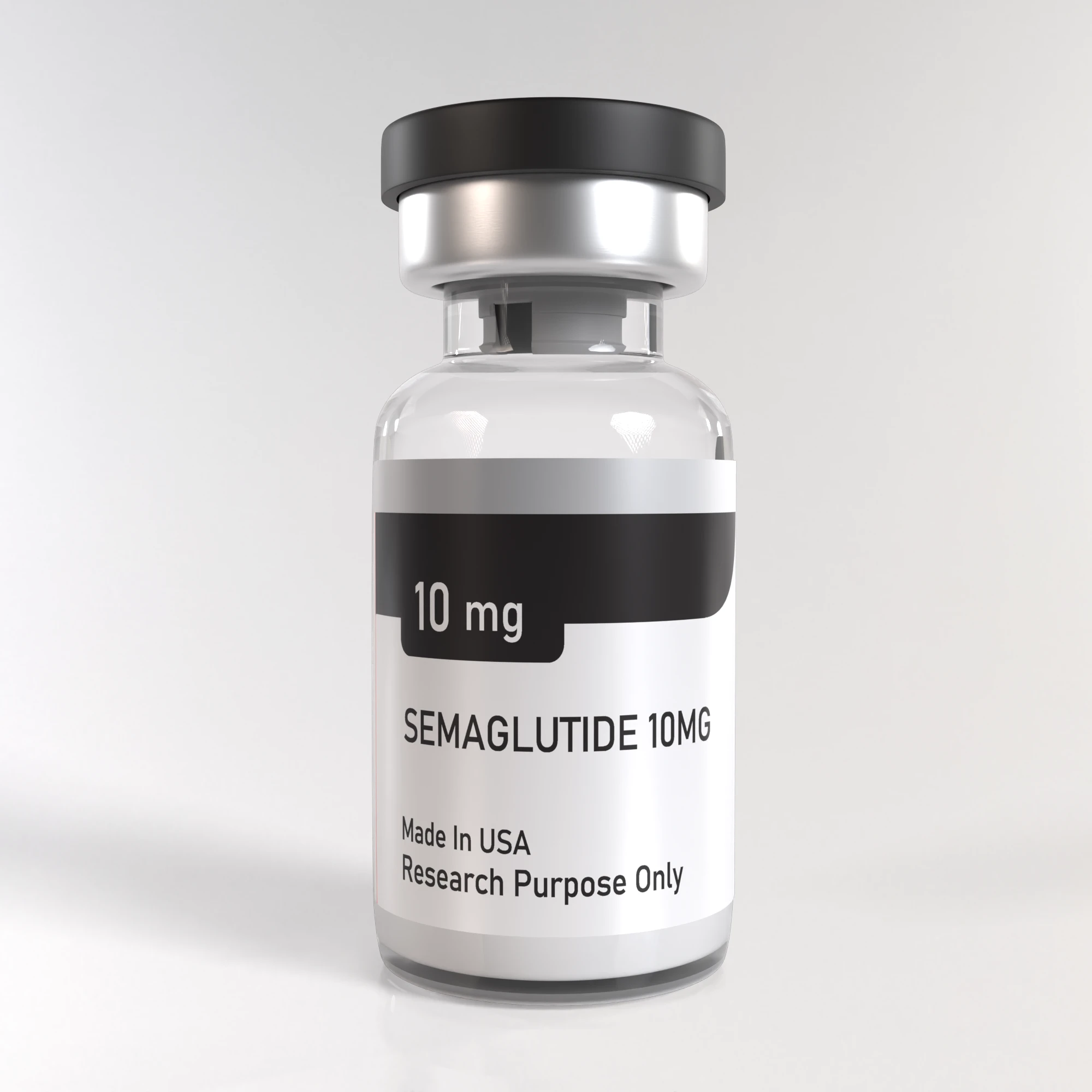

SEMAGLUTIDE
Semaglutide is a glucagon-like peptide-1 (GLP-1) receptor agonist originally developed as a pharmaceutical compound for the management of type 2 diabetes mellitus. In the research context, semaglutide is being investigated for its potential metabolic effects, including modulation of appetite regulation, glucose homeostasis, and weight management. This peptide is not intended for therapeutic use in humans or animals and is strictly for academic or industrial research purposes.
Research Context
Semaglutide was first approved by the U.S. Food and Drug Administration (FDA) under the brand name Ozempic for the treatment of type 2 diabetes in 2017. Its mechanism of action involves binding to GLP-1 receptors, thereby promoting glucagon secretion and slowing gastric emptying. This peptide has garnered significant attention in scientific research due to its potential implications in the study of obesity, metabolic syndrome, and related disorders. Its structural and functional properties make it a valuable tool for studying glucose-dependent insulinotropic effects and gastrointestinal physiology.
Research Overview
Semaglutide is a synthetic analog of GLP-1, designed to mimic the action of endogenous incretins in the body. In research settings, it is utilized to explore its role in appetite suppression, weight reduction, and the impact on cardiovascular and renal health. Ongoing studies aim to elucidate its potential therapeutic benefits beyond diabetes management, such as in the treatment of non-alcoholic fatty liver disease (NAFLD) and polycystic ovary syndrome (PCOS). However, it is important to note that these applications are still under investigation and are not intended for commercial or clinical use within this product.
Key Research Focus Areas
-
Glucose Metabolism and Insulin Sensitivity:
Investigating the effects of semaglutide on glycemic control, insulin secretion, and overall metabolic health in experimental models. -
Appetite Regulation and Weight Management:
Analyzing the peptide’s role in satiety signaling and its potential as an adjunct for weight loss studies. -
Gastrointestinal Physiology:
Studying gastric emptying, motility, and its broader influence on digestive processes. -
Cardiovascular and Renal Effects:
Exploring long-term outcomes in preclinical models, particularly in relation to hypertension and kidney function. -
Potential Off-Target Effects:
Investigating secondary effects, including gastrointestinal side effects or interactions with other metabolic pathways.
Important Safety and Compliance Note
This product is intended solely for research and development purposes in an academic or industrial setting. Semaglutide is not authorized for human or animal consumption and should not be used outside of a controlled research environment. Misuse or unauthorized distribution of this compound may constitute a violation of applicable laws and regulations. Users are responsible for ensuring compliance with all relevant safety protocols and ethical guidelines. Consultation with a qualified researcher or regulatory expert is strongly advised before handling or utilizing this material.
For research use only. Not for human or animal consumption.
| Size | 10MG, 20MG, 30MG |
|---|
Reviews
There are no reviews yet.