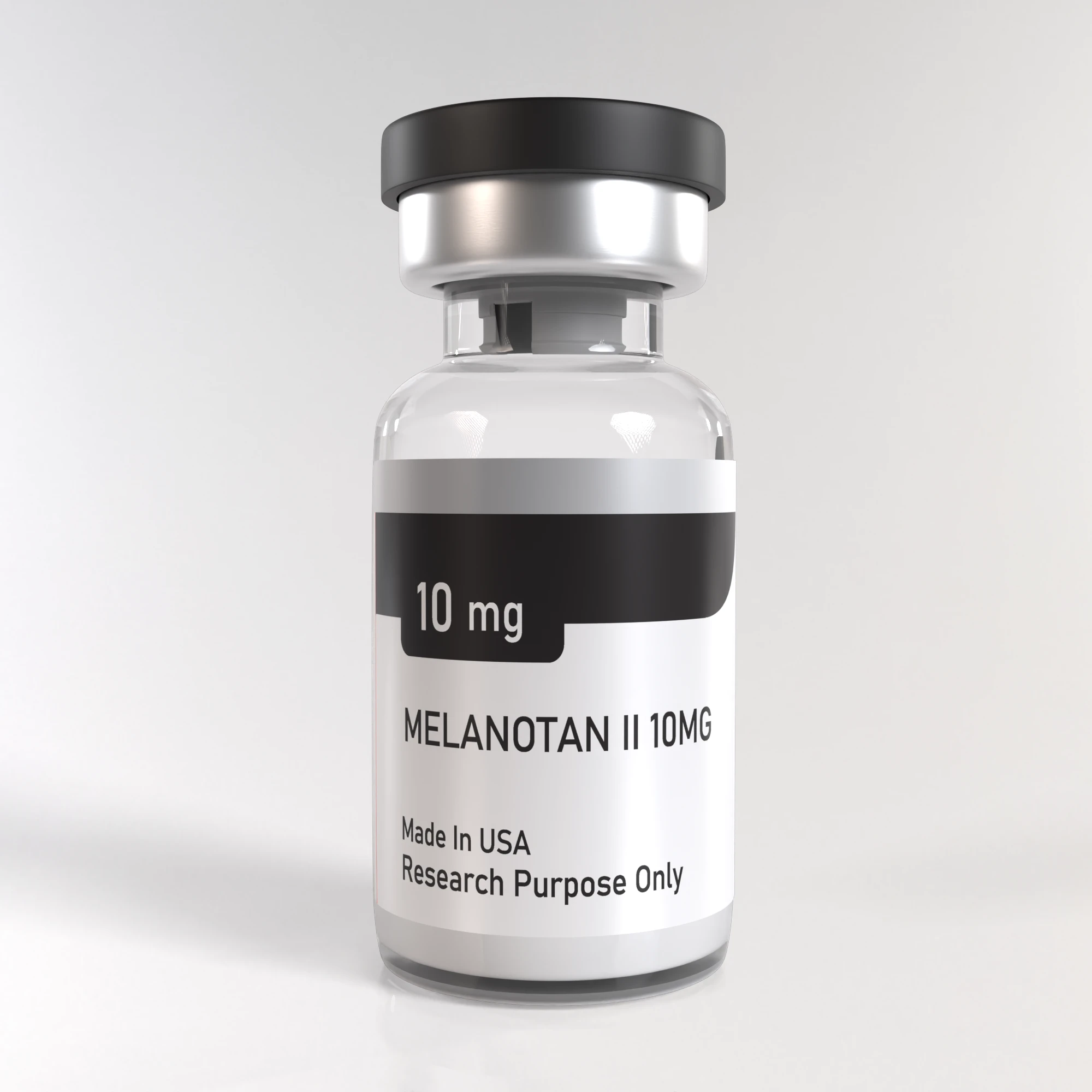

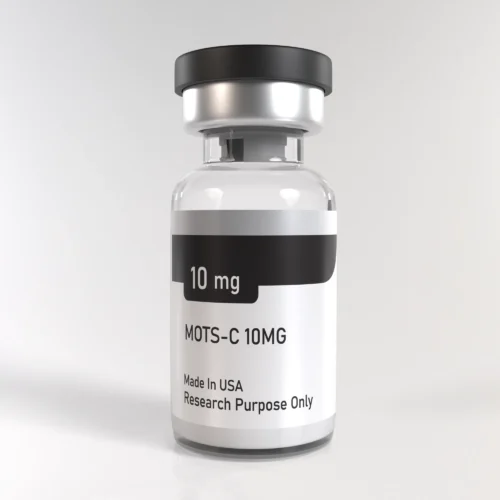
Melanotan II 10MG

Categories:

Melanotan II is a synthetic decapeptide designed for research and laboratory use. This molecule modulates skin pigmentation pathways and is not intended for human or veterinary consumption. Always exercise caution in handling and storage. For research use only.

$35.00

Free Shipping over 150$

Secure
Payment

Secure checkout

Research Use Disclaimer

Every serious peptide company prominently displays this. Example Research Use Only All products offered by Ascend Biologics are intended strictly for laboratory research purposes. Products are not for human consumption and are not intended for diagnostic, therapeutic, or medical use. By purchasing from our website, customers confirm they are qualified researchers or laboratories and understand the intended research-use designation.

Melanotan II 10MG

Melanotan II (MT-II) 10MG

Melanotan II (MT-II) is a synthetic peptide analog derived from the melanocortin system, widely studied for its potential biological effects in controlled research environments. This fragment is intended for use in academic and industrial research applications only, as part of scientific investigations into its biochemical and physiological properties. The following description provides an overview of its chemical properties and research relevance within the scientific community.

Research Context

Melanotan II is a potent agonist of the melanocortin-1 receptor (MC1R), known for its ability to stimulate skin pigmentation and induce tanning in mammalian models. Originally developed as a tool for studying skin physiology, MT-II has since been explored in various preclinical studies for its potential effects on mood, energy expenditure, and neuroendocrine function. Due to its biological activity, it is classified as a research chemical with restricted distribution in many jurisdictions.

Research Overview

MT-II is a synthetic decapeptide sequence (H-Tyr-D-Trp-Lys-Val-Phe-Ile-Leu-Val-Tyr-Pro-NH2) that mimics the activity of endogenous melanocyte-stimulating hormones (MSH). In research settings, it is utilized to investigate receptor-mediated signaling pathways, particularly within the skin, central nervous system, and endocrine systems. Due to its pharmacological profile, MT-II has been studied for its effects on melanogenesis, behavioral responses, and potential therapeutic mechanisms in disease models.

Key Research Focus Areas

  • Melanocortin Signaling: Investigation of MC1R activation in melanocyte proliferation, pigmentation, and skin barrier function. Studies often employ MT-II to probe downstream effects on melanin synthesis and UV resistance.
  • Behavioral and Neuroendocrine Effects: Exploration of MT-II’s role in modulating mood, anxiety-like behaviors, and circadian rhythms in rodent models. Research has examined its potential impact on reward systems and stress responses.
  • Metabolic and Cardiovascular Research: Preliminary studies have assessed MT-II’s influence on energy metabolism, glucose regulation, and vascular function, particularly in relation to melanocortin-mediated pathways.
  • Toxicology and Pharmacokinetics: Assessment of MT-II’s absorption, distribution, metabolism, and excretion (ADME) in preclinical settings, including potential off-target effects on other melanocortin receptors (e.g., MC3R, MC4R).

Safety and Compliance Considerations

Melanotan II is a highly bioactive compound with significant physiological effects. While research in controlled academic or industrial settings may involve its use, it is critical to adhere to ethical guidelines, regulatory standards, and laboratory protocols. Due to its potential for misuse, distribution and handling must be restricted to authorized research institutions or entities with appropriate approvals. Always conduct experiments under the supervision of qualified personnel in compliant, secure environments.

For research use only. Not for human or animal consumption.
Lorem ipsum dolor sit amet, consectetur adipiscing elit. Ut elit tellus, luctus nec ullamcorper mattis, pulvinar dapibus leo.

At Hollywood Peptides, we provide more than just industry-leading compounds; we provide the certainty and excellence required for groundbreaking results. We recognize that in the world of science, there is no room for error. That is why every formulation we offer is subjected to stringent validation and certification protocols.
 
Lab Report
Date Added :
03/17/2026

Melanotan II 10MG

Melanotan II (MT-II) 10MG

Melanotan II (MT-II) is a synthetic peptide analog derived from the melanocortin system, widely studied for its potential biological effects in controlled research environments. This fragment is intended for use in academic and industrial research applications only, as part of scientific investigations into its biochemical and physiological properties. The following description provides an overview of its chemical properties and research relevance within the scientific community.

Research Context

Melanotan II is a potent agonist of the melanocortin-1 receptor (MC1R), known for its ability to stimulate skin pigmentation and induce tanning in mammalian models. Originally developed as a tool for studying skin physiology, MT-II has since been explored in various preclinical studies for its potential effects on mood, energy expenditure, and neuroendocrine function. Due to its biological activity, it is classified as a research chemical with restricted distribution in many jurisdictions.

Research Overview

MT-II is a synthetic decapeptide sequence (H-Tyr-D-Trp-Lys-Val-Phe-Ile-Leu-Val-Tyr-Pro-NH2) that mimics the activity of endogenous melanocyte-stimulating hormones (MSH). In research settings, it is utilized to investigate receptor-mediated signaling pathways, particularly within the skin, central nervous system, and endocrine systems. Due to its pharmacological profile, MT-II has been studied for its effects on melanogenesis, behavioral responses, and potential therapeutic mechanisms in disease models.

Key Research Focus Areas

  • Melanocortin Signaling: Investigation of MC1R activation in melanocyte proliferation, pigmentation, and skin barrier function. Studies often employ MT-II to probe downstream effects on melanin synthesis and UV resistance.
  • Behavioral and Neuroendocrine Effects: Exploration of MT-II’s role in modulating mood, anxiety-like behaviors, and circadian rhythms in rodent models. Research has examined its potential impact on reward systems and stress responses.
  • Metabolic and Cardiovascular Research: Preliminary studies have assessed MT-II’s influence on energy metabolism, glucose regulation, and vascular function, particularly in relation to melanocortin-mediated pathways.
  • Toxicology and Pharmacokinetics: Assessment of MT-II’s absorption, distribution, metabolism, and excretion (ADME) in preclinical settings, including potential off-target effects on other melanocortin receptors (e.g., MC3R, MC4R).

Safety and Compliance Considerations

Melanotan II is a highly bioactive compound with significant physiological effects. While research in controlled academic or industrial settings may involve its use, it is critical to adhere to ethical guidelines, regulatory standards, and laboratory protocols. Due to its potential for misuse, distribution and handling must be restricted to authorized research institutions or entities with appropriate approvals. Always conduct experiments under the supervision of qualified personnel in compliant, secure environments.

For research use only. Not for human or animal consumption.
Reviews

There are no reviews yet.

Be the first to review “Melanotan II 10MG”

Your email address will not be published. Required fields are marked *

Age Verification!

*By continuing, you confirm eligibility and legal compliance.