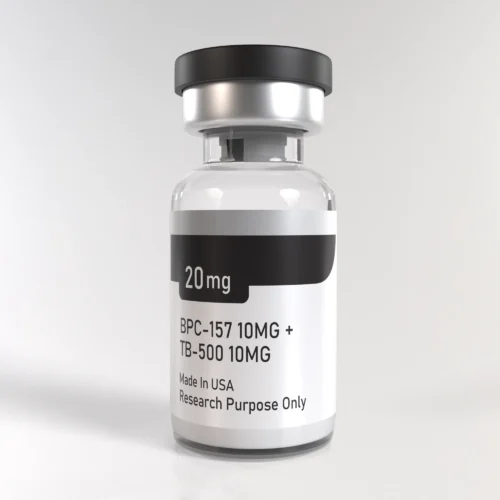
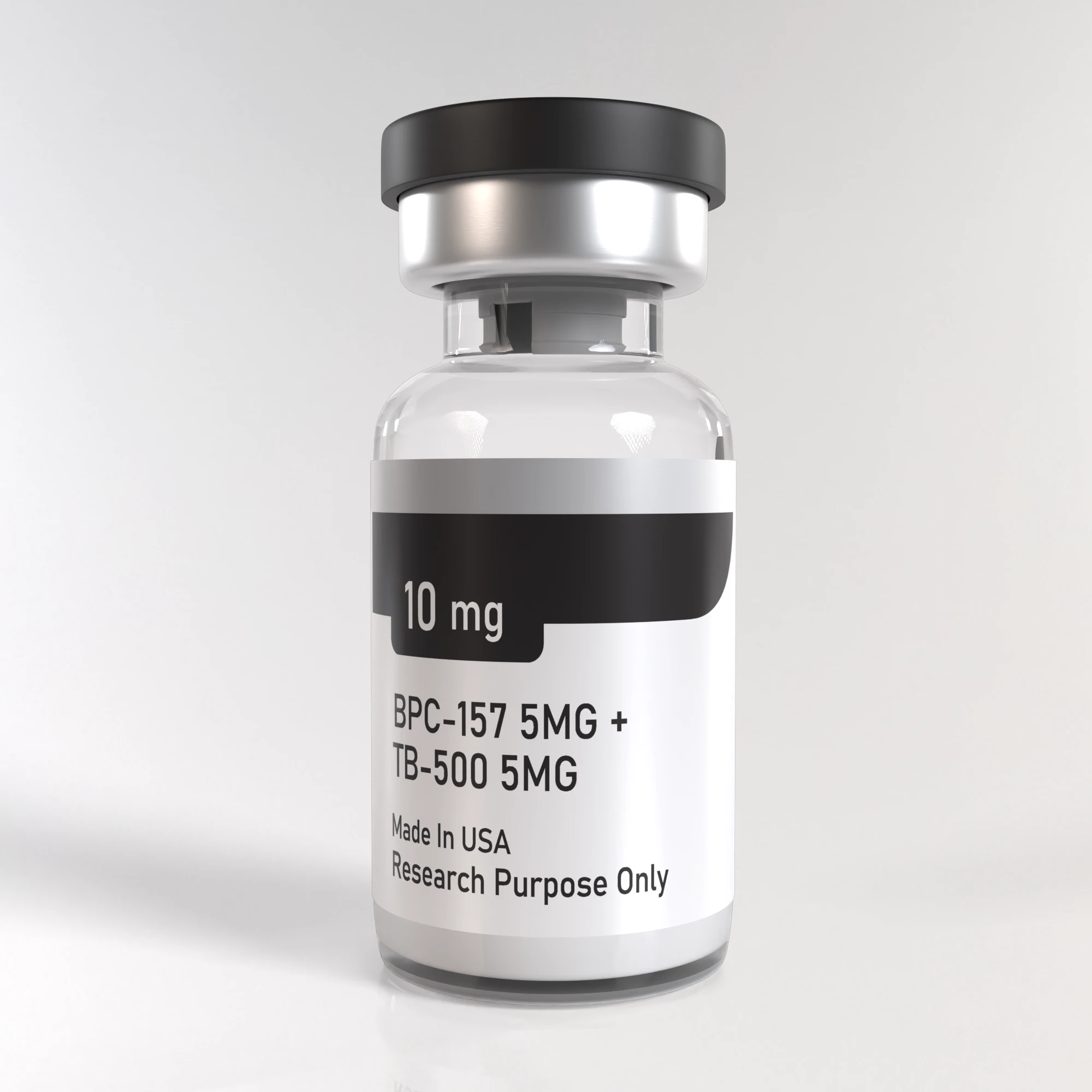

BPC-157 5MG + TB-500 5MG

Categories:

BPC-157 5MG + TB-500 5MG is a research-use-only peptide blend designed for laboratory investigation in preclinical and experimental settings. This formulation combines two well-studied bioactive peptides, intended for in vitro and in vivo research applications only. Always adhere to strict experimental protocols and regulatory guidelines. For research use only.

$82.00

Free Shipping over 150$

Secure
Payment

Secure checkout

Research Use Disclaimer

Every serious peptide company prominently displays this. Example Research Use Only All products offered by Ascend Biologics are intended strictly for laboratory research purposes. Products are not for human consumption and are not intended for diagnostic, therapeutic, or medical use. By purchasing from our website, customers confirm they are qualified researchers or laboratories and understand the intended research-use designation.

BPC-157 5MG + TB-500 5MG: Peptide Compounds for Research Applications

This product consists of two research-use-only peptides, BPC-157 and TB-500, presented in a combined formulation for laboratory study. Both peptides are synthetic analogs derived from endogenous human sequences, originally identified in the context of biological repair and regenerative processes.

BPC-157 and TB-500 have been explored in preclinical research for their potential roles in tissue repair, wound healing, and inflammation modulation. While not approved for therapeutic use in humans or animals, these peptides are valuable tools for academic and industrial research in biomedicine.

Research Context

BPC-157 (Bone-Protective Compound-157) and TB-500 (Translational Biology Peptide-500) represent distinct yet complementary approaches to studying regenerative and healing mechanisms. BPC-157 is a 15-amino-acid sequence known for its capacity to promote endothelial function and tissue regeneration in experimental models, whereas TB-500 serves as a broader translational peptide with potential applications in cellular repair pathways.

Research Overview

The combination of these peptides in a single formulation allows researchers to investigate synergistic effects on wound healing, tissue regeneration, and inflammatory responses. Preclinical studies have demonstrated that both compounds exhibit activity in models of musculoskeletal injury, gastrointestinal damage, and cardiovascular repair, though their mechanisms of action remain under active investigation.

Key Research Focus Areas

  • Tissue Regeneration: Both peptides demonstrate efficacy in promoting repair of damaged tissues, including tendons, ligaments, and gastrointestinal mucosa, in animal models.
  • Wound Healing: Research suggests accelerated wound closure and improved vascularization when administered in controlled laboratory settings.
  • Inflammatory Modulation: Mechanistic studies indicate potential anti-inflammatory effects through modulation of cytokine signaling pathways.
  • Cardiovascular Research: TB-500 has shown promise in preclinical models exploring vascular repair and endothelial function.
  • Neuroprotective Exploration: Emerging research indicates potential neuroprotective effects in experimental models of spinal cord injury and neurodegeneration.

Cautions and Limitations

It is important to note that all preclinical research with BPC-157 and TB-500 involves rigorous experimental controls, ethical animal use protocols, and validated laboratory procedures. Human or animal studies are not intended, and any administration must be conducted under the strict oversight of qualified researchers following established institutional guidelines.

These peptides are not intended for therapeutic, diagnostic, or cosmetic use. The data presented here pertain to their identification in research contexts only, and their full biological effects remain under investigation in academic and pharmaceutical research communities.

Compliance Notice

For research use only. Not for human or animal consumption. Always follow protocols established by your institution or research facility when handling these compounds. Unauthorized distribution or use is prohibited by law.
Lorem ipsum dolor sit amet, consectetur adipiscing elit. Ut elit tellus, luctus nec ullamcorper mattis, pulvinar dapibus leo.

At Hollywood Peptides, we provide more than just industry-leading compounds; we provide the certainty and excellence required for groundbreaking results. We recognize that in the world of science, there is no room for error. That is why every formulation we offer is subjected to stringent validation and certification protocols.
 
Lab Report
Date Added :
03/24/2026

BPC-157 5MG + TB-500 5MG: Peptide Compounds for Research Applications

This product consists of two research-use-only peptides, BPC-157 and TB-500, presented in a combined formulation for laboratory study. Both peptides are synthetic analogs derived from endogenous human sequences, originally identified in the context of biological repair and regenerative processes.

BPC-157 and TB-500 have been explored in preclinical research for their potential roles in tissue repair, wound healing, and inflammation modulation. While not approved for therapeutic use in humans or animals, these peptides are valuable tools for academic and industrial research in biomedicine.

Research Context

BPC-157 (Bone-Protective Compound-157) and TB-500 (Translational Biology Peptide-500) represent distinct yet complementary approaches to studying regenerative and healing mechanisms. BPC-157 is a 15-amino-acid sequence known for its capacity to promote endothelial function and tissue regeneration in experimental models, whereas TB-500 serves as a broader translational peptide with potential applications in cellular repair pathways.

Research Overview

The combination of these peptides in a single formulation allows researchers to investigate synergistic effects on wound healing, tissue regeneration, and inflammatory responses. Preclinical studies have demonstrated that both compounds exhibit activity in models of musculoskeletal injury, gastrointestinal damage, and cardiovascular repair, though their mechanisms of action remain under active investigation.

Key Research Focus Areas

  • Tissue Regeneration: Both peptides demonstrate efficacy in promoting repair of damaged tissues, including tendons, ligaments, and gastrointestinal mucosa, in animal models.
  • Wound Healing: Research suggests accelerated wound closure and improved vascularization when administered in controlled laboratory settings.
  • Inflammatory Modulation: Mechanistic studies indicate potential anti-inflammatory effects through modulation of cytokine signaling pathways.
  • Cardiovascular Research: TB-500 has shown promise in preclinical models exploring vascular repair and endothelial function.
  • Neuroprotective Exploration: Emerging research indicates potential neuroprotective effects in experimental models of spinal cord injury and neurodegeneration.

Cautions and Limitations

It is important to note that all preclinical research with BPC-157 and TB-500 involves rigorous experimental controls, ethical animal use protocols, and validated laboratory procedures. Human or animal studies are not intended, and any administration must be conducted under the strict oversight of qualified researchers following established institutional guidelines.

These peptides are not intended for therapeutic, diagnostic, or cosmetic use. The data presented here pertain to their identification in research contexts only, and their full biological effects remain under investigation in academic and pharmaceutical research communities.

Compliance Notice

For research use only. Not for human or animal consumption. Always follow protocols established by your institution or research facility when handling these compounds. Unauthorized distribution or use is prohibited by law.
Reviews

There are no reviews yet.

Be the first to review “BPC-157 5MG + TB-500 5MG”

Your email address will not be published. Required fields are marked *

Related Peptides

Age Verification!

*By continuing, you confirm eligibility and legal compliance.