
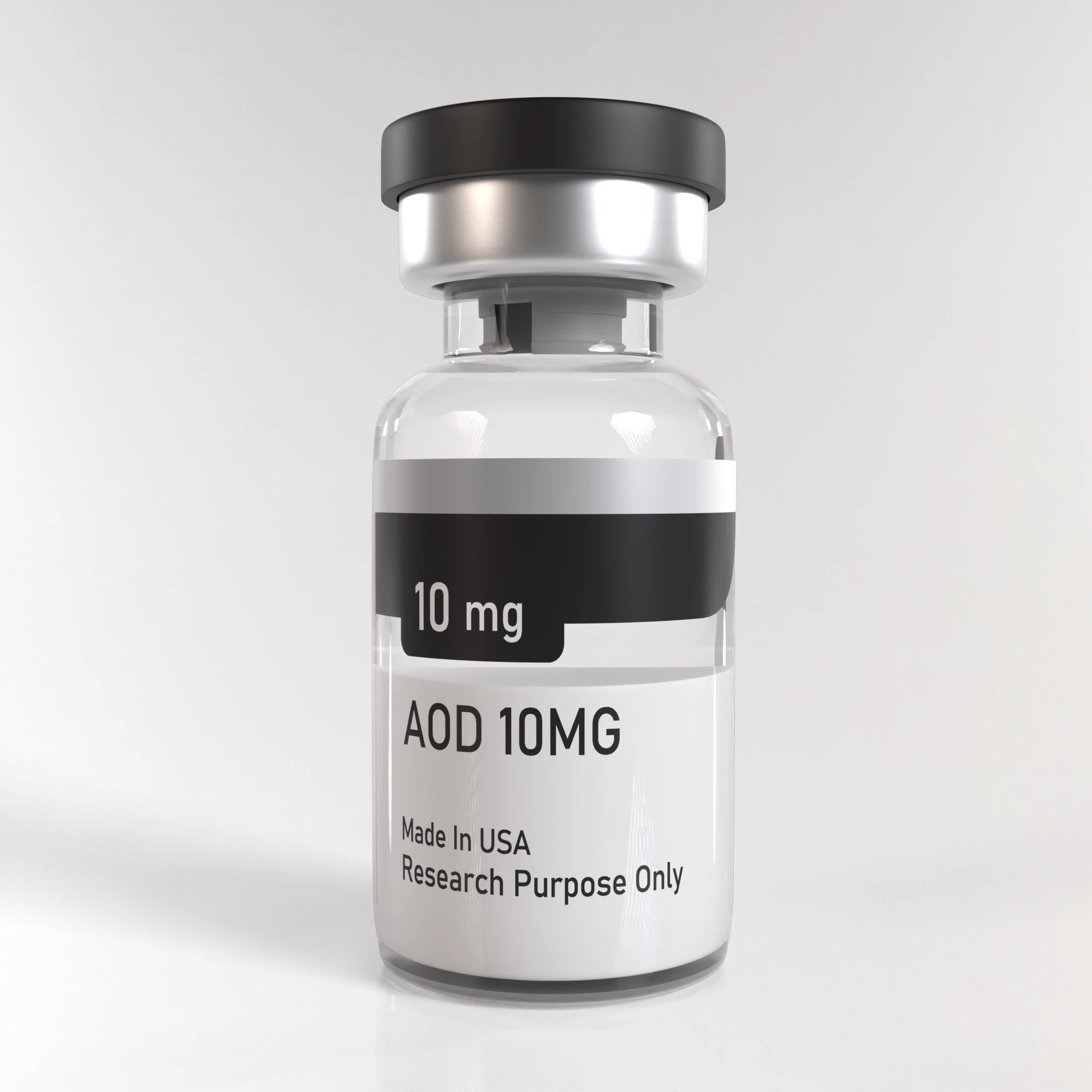

AOD
AOD represents a research-use-only peptide compound designed for academic and laboratory investigations. This peptide is produced for scientific inquiry into its potential biological interactions and mechanisms of action, under strict adherence to research protocols.
Research Context
Peptides like AOD are a class of biologically active molecules derived from natural or synthetic sources. These compounds have been studied extensively in preclinical research due to their potential for modulating cellular signaling pathways, protein interactions, and physiological responses. In the scientific community, AOD and similar peptides are utilized in experiments aimed at understanding cellular mechanisms, drug discovery, and basic biological research.
Research Overview
AOD is formulated to facilitate studies examining its role in signaling pathways, protein folding, and biomolecular interactions. Due to its structural complexity, this peptide can serve as a model system for evaluating peptide-peptide and peptide-ligand interactions within a controlled research environment. It is important to note that research involving peptides such as AOD requires specialized equipment, trained personnel, and adherence to institutional review boards and ethical guidelines.
Key Research Focus Areas
- Cellular Signaling Mechanisms: Investigating how AOD may influence intracellular signaling cascades, including those involving G-protein-coupled receptors (GPCRs), kinase pathways, and transcription factors.
- Protein-Protein Interactions: Exploring potential interactions with other biomolecules, such as enzymes, receptors, or structural proteins, that could alter biological function.
- Thermodynamic Stability: Assessing the peptide’s stability under various experimental conditions, including pH, temperature, and solvent composition, to ensure reliable and reproducible results.
- Synthesis and Purification: Evaluating optimized protocols for chemical synthesis, purification techniques, and quality control measures to maintain peptide integrity during research.
- Biological Validation: Employing various in vitro and in vivo models to validate functional outcomes of AOD exposure, such as binding assays, fluorescence microscopy, or enzymatic assays.
Safety and Compliance
Peptides like AOD are not approved for therapeutic or human/animal consumption. Any research involving AOD must comply with international, national, and institutional guidelines regarding the use of biologic materials. Researchers should conduct experiments in a controlled laboratory setting, utilizing appropriate safety protocols, including proper handling procedures, disposal methods, and documentation of all procedures.
For research use only. Not for human or animal consumption.
Reviews
There are no reviews yet.